

Client
Classified
Location
Rotherham Council
Sector
Building services
The brief
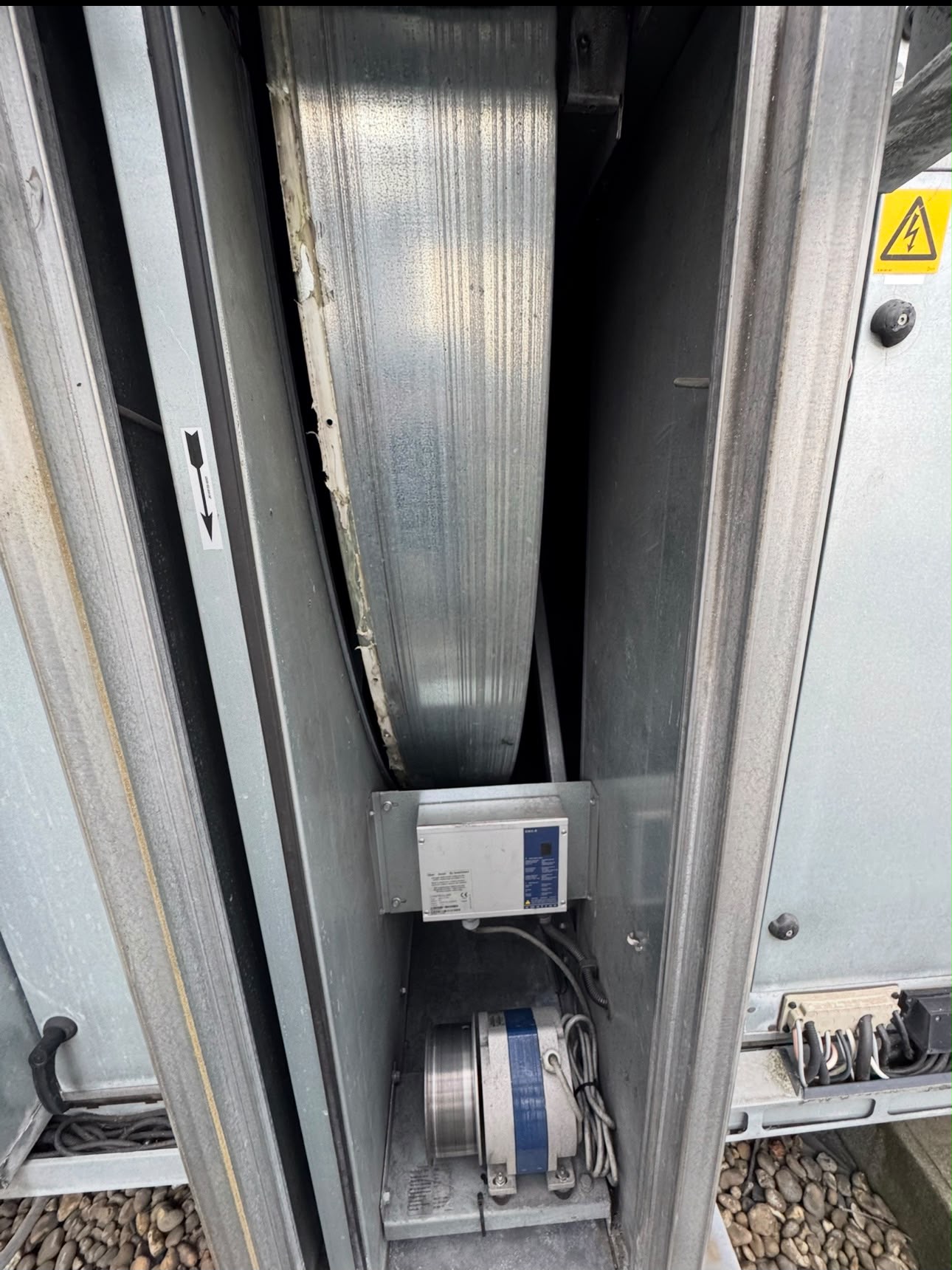
Chillax Engineering completed a thermal wheel upgrade within a ventilation system serving a Rotherham Council building.
Ventilation brings fresh air into a building and removes stale air. During colder weather, however, extracting warm indoor air also means losing heat that the building has already used energy to generate.
A thermal wheel helps recover some of that heat before the air leaves the building. As the wheel rotates between the outgoing and incoming air streams, it absorbs heat from the extract air and transfers it to the cooler fresh air entering the system.
The project focused on upgrading this heat recovery component, helping the building make better use of energy already within its ventilation system.
What we did
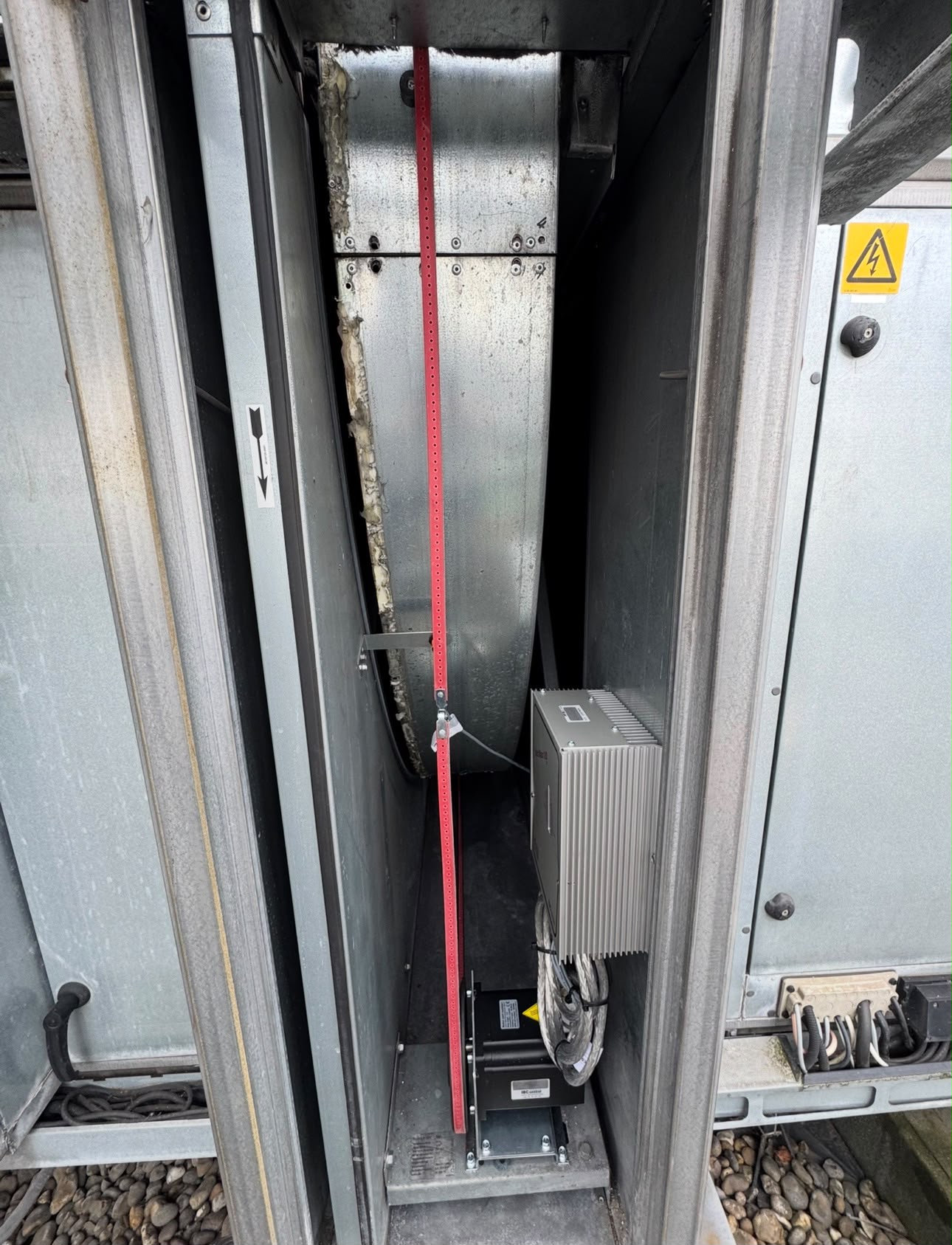
Our engineers completed the thermal wheel upgrade within the existing ventilation system, improving the component responsible for transferring heat between the outgoing and incoming air streams.
Supporting heat recovery
The upgrade focused on making better use of heat that would otherwise leave the building through extracted air. Pre-warming incoming fresh air in this way helps reduce the amount of additional heating needed to bring it up to the required supply temperature.
Working within the wider ventilation system
Heat recovery is one part of a ventilation system’s overall performance. The thermal wheel works alongside fans, filters, heating components and controls to help provide fresh air while managing energy use. Upgrading this component supports the performance of the wider system.
The outcome
The completed upgrade supports more efficient heat recovery, helping the building reuse heat from outgoing air while maintaining its fresh air supply.
Recovering this energy can reduce demand on the heating system, particularly during colder periods when there is a greater difference between indoor and outdoor temperatures. Actual energy savings depend on factors such as airflow, operating hours, temperatures and system controls.
The project demonstrates how a targeted component upgrade can improve the way an existing ventilation system uses energy, supporting building performance without overlooking the need for fresh air.